 Tuna Industrial Platform™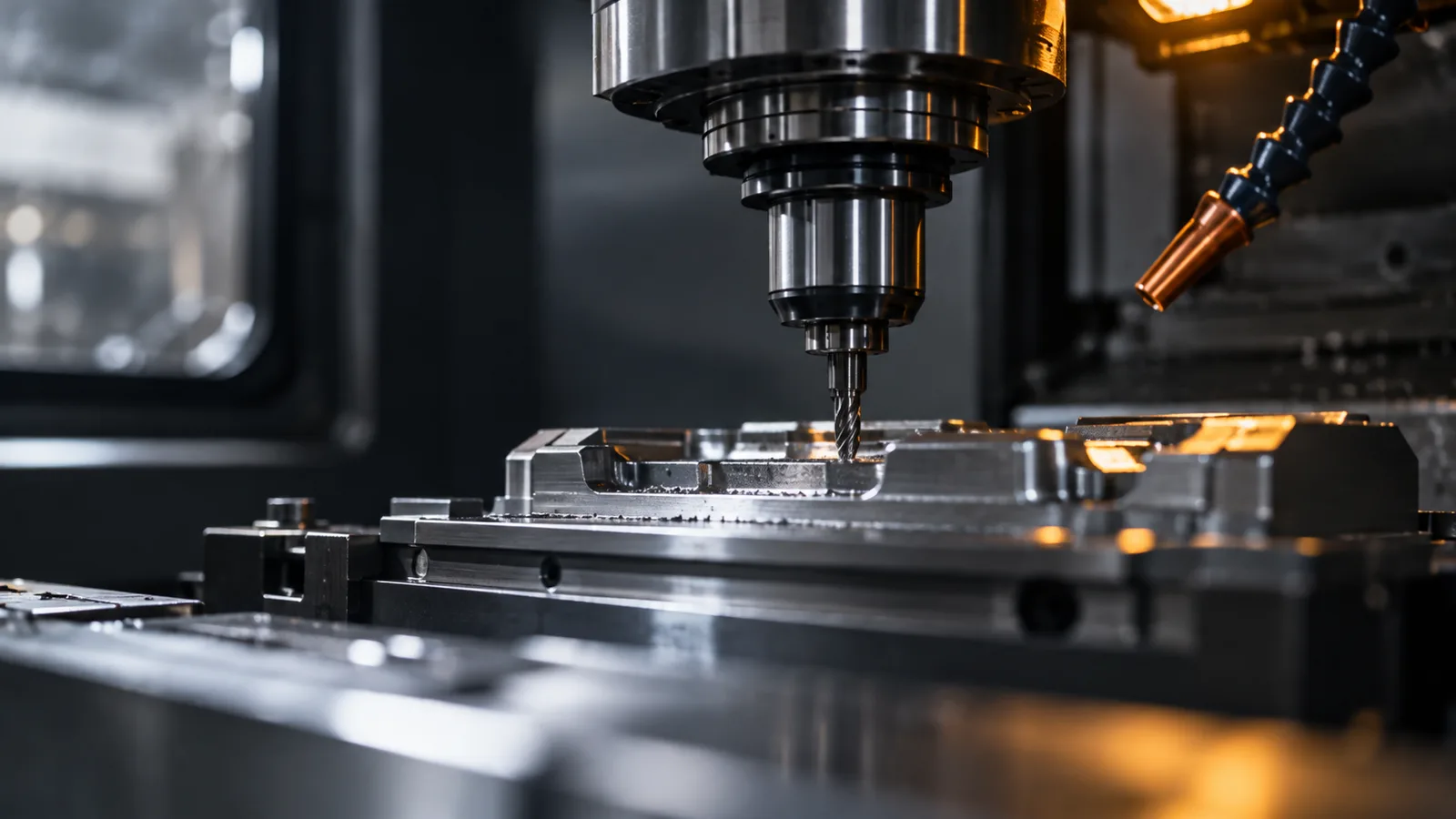
INDUSTRIAL DIGITAL TRANSFORMATION
If you cannot see your factory in real time, you cannot run it.
From a DDX assessment to a working digital factory. Not another diagnostic report, an implementation that runs on the floor.
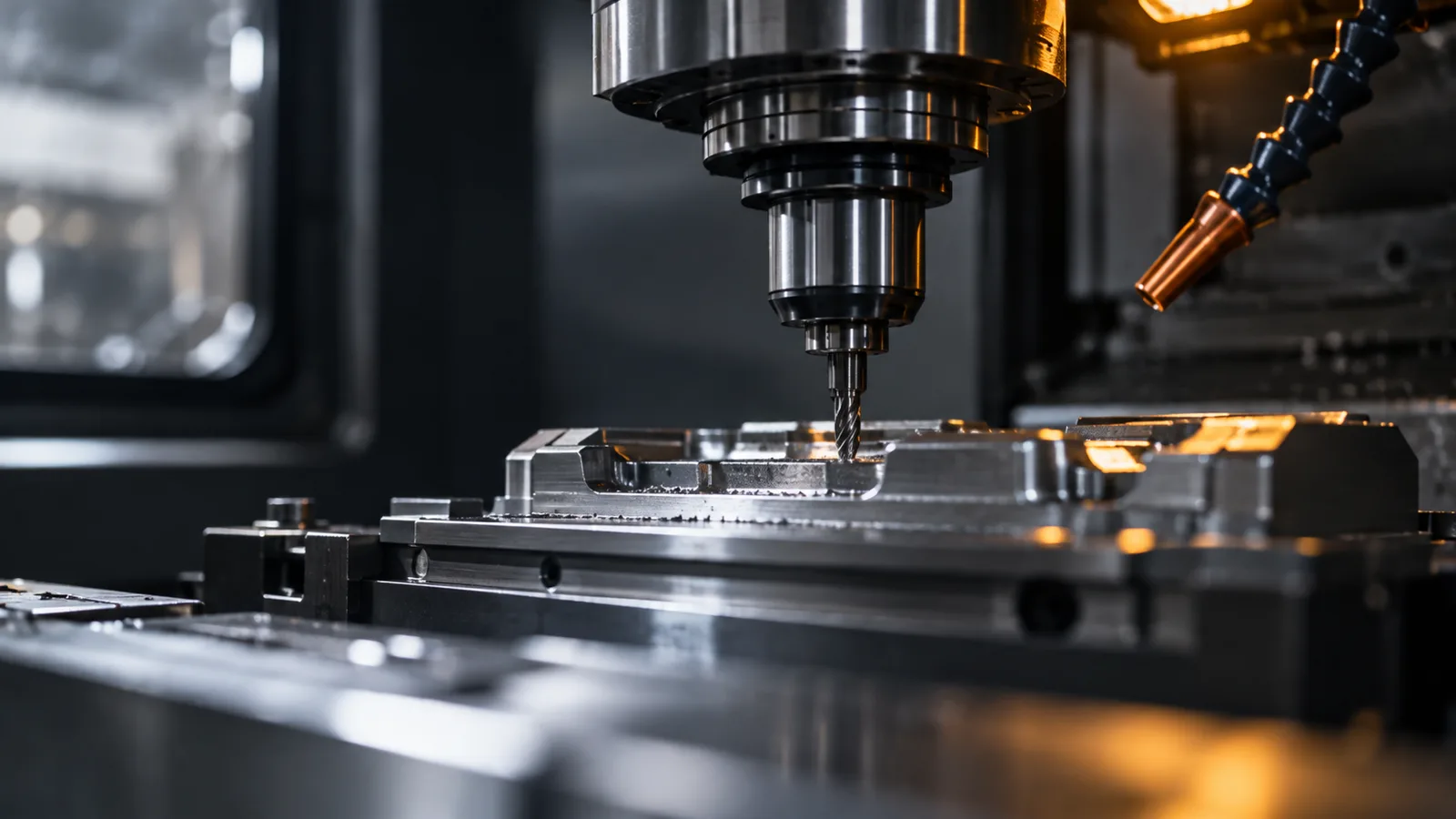
This is where the data is born.
One machine produces dozens of signals a second. Most of them go nowhere.
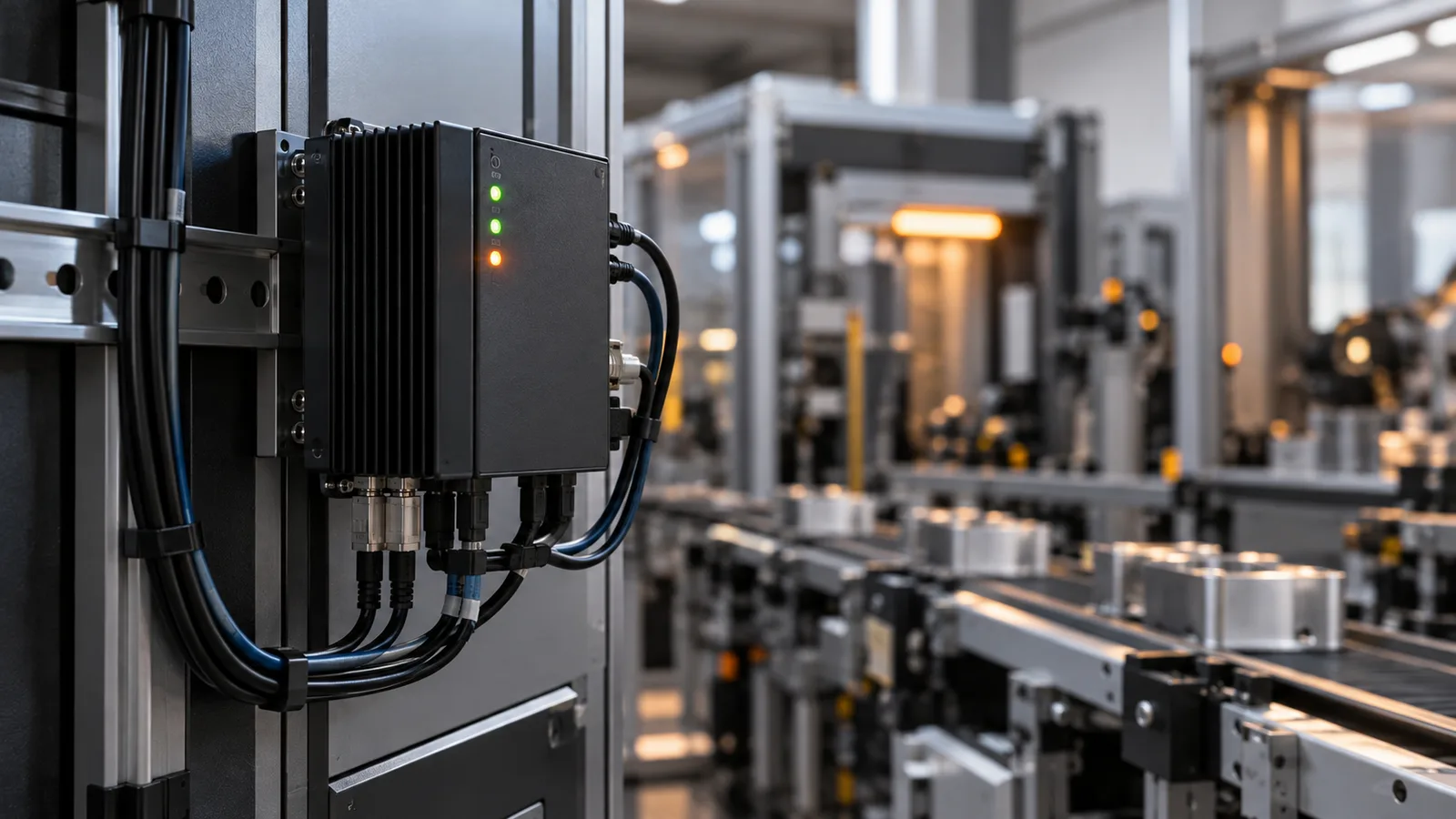
The signal leaves the floor.
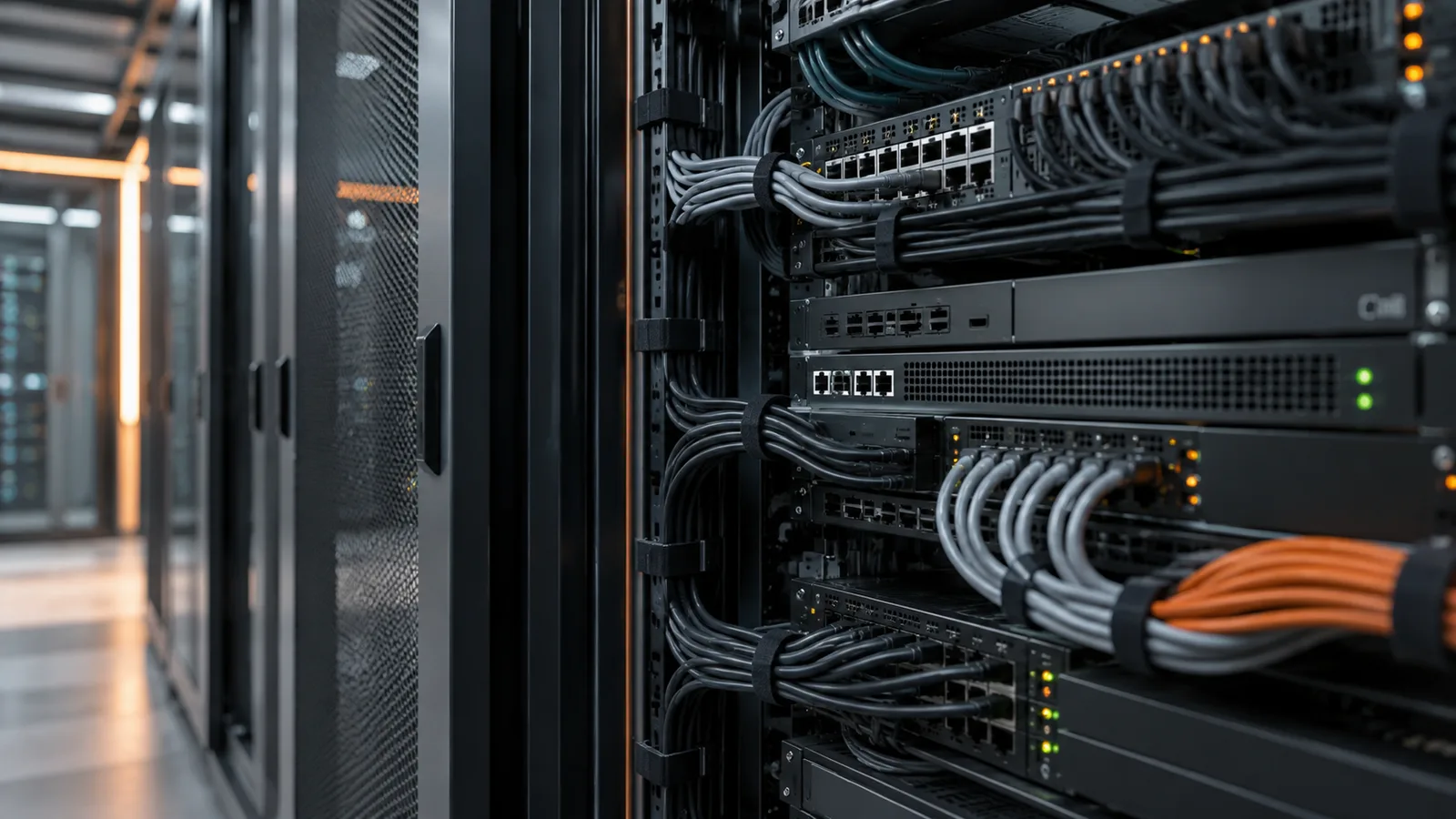
Tuna Edge collects the signal, transmits it securely, and holds it locally when the link drops.
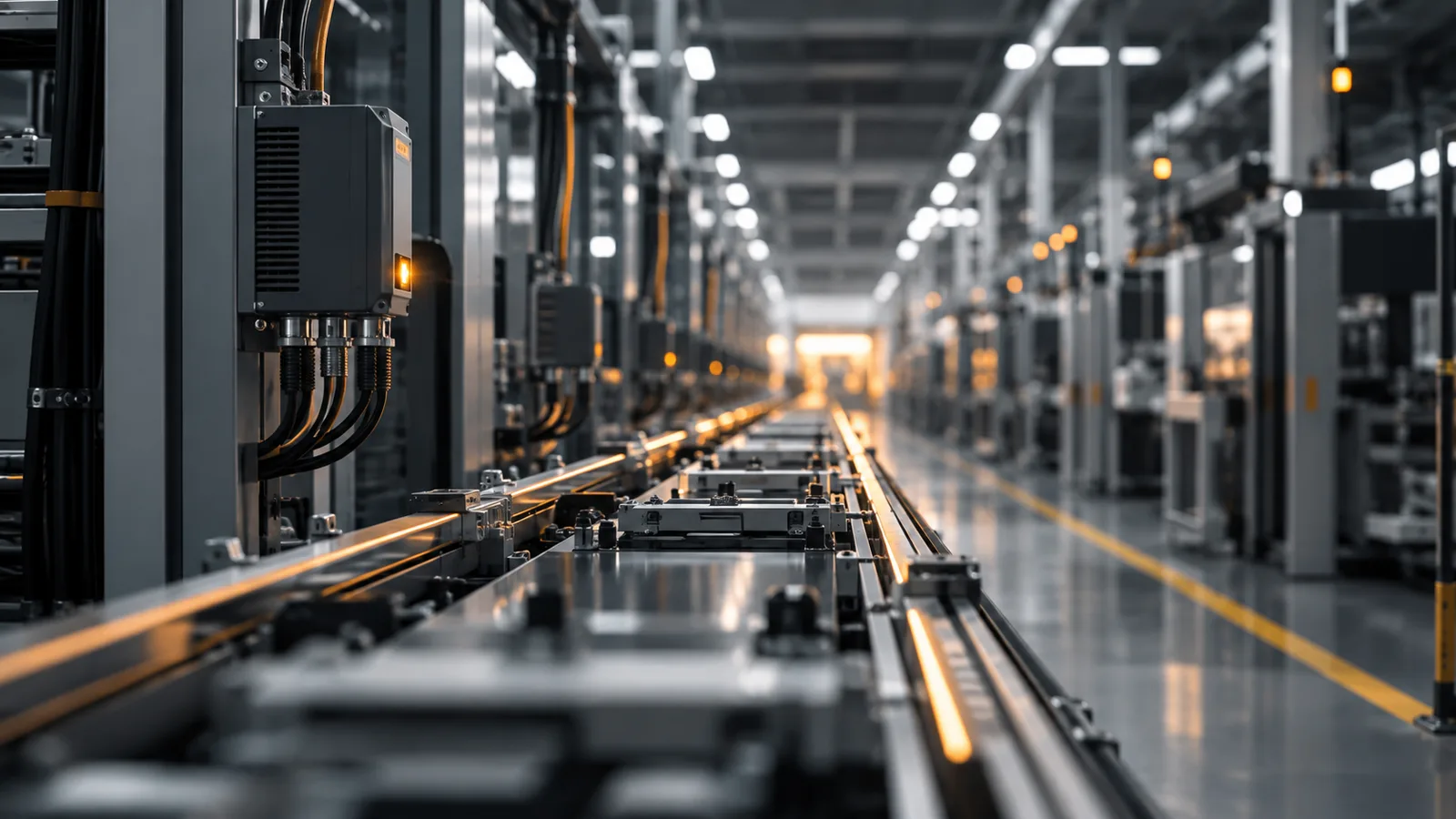
Down the whole line.
Dozens of machines, one stream. The data moves.
The noise resolves into structure.
Different brands, different protocols, one shared model.
The system you flew through answers a real question.
Now you can ask the factory a question.
- 68%OEE
- 86%Availability
- 82%Performance
- 96%Quality
- 41minDowntime
- 4%Scrap rate
- Why are we behind today's target?
- The biggest loss is a die-change stop on Line 2: 41 minutes this shift. That is what holds the Performance component at 82 and pulls OEE down to 68.Example / Simulated Insight
- Which machine caused the most loss?
- Injection Press 2 accounts for 28 of today's 41 downtime minutes. Cause: a die change plus the warm-up wait that followed it.Example / Simulated Insight
- Which product has the highest scrap rate?
- The clear lid (part TP-140) is highest at 7 percent scrap, against a line average of 4 percent. Likely cause: flash from the runner on the first shots while the mould is still below temperature.Example / Simulated Insight
METHOD
From DDX to implementation
An independent DDX assessment
We map the current state, the priority problems and the target state independently. The output is not a software specification.
A Solution Blueprint in 48-72 hours
The assessment output becomes a concrete document showing which capability goes live, with which integrations, and in which scope.
A deliberately narrow pilot
One production area, 3-10 machines, a limited set of users. The scope is kept small on purpose.
Scaling out
Once the pilot criteria are met, the scope widens to new lines and further plants without a setup from scratch.
The DDX assessment findings and Tuna Project's commercial proposal stay separate, traceable documents.
What the platform does
- Visibility
- Factory, line and machine status collect on a single screen in real time.
- Loss analysis
- OEE, downtime and its causes, scrap and quality results are examined by shift and by machine.
- Plan vs. actual
- The production plan sits next to actual output, so the gap between target and actual is traceable to its cause.
- Your existing ERP
- It integrates with systems such as Logo, Netsis, SAP and ERPNext. The ERP you already run stays where it is.
- Shop floor connectivity
- Tuna Edge collects machine and PLC data, transmits it securely, and holds it locally when the link drops.
- Tuna Intelligence
- The layer that answers production questions from factory data is introduced in stages, not all at once.
Sector scenarios
- Food Manufacturing
- Batch traceability and scrap control.
- Plastics and Composite
- Cycle time drift and changeover loss.
- CNC and Metal Machining
- Downtime causes and work order yield.
- Machine Manufacturing
- Work order progress and schedule drift.
- General Discrete Manufacturing
- Plant-wide status visibility.
These are representative scenarios derived from DDX evidence, not real customer case studies.
The live factory demo
We walk through the demo together, step by step. The production flow on screen shows the platform capabilities on a concrete example.
The live factory demo runs on simulated factory data, it is not a real customer deployment.
Making your factory visible starts with one assessment.
Security controls are designed, not yet implemented.
Tell us about your plant and what you want to improve, and we will come back to you on your own context.